Custom sweatbands last longest when they are washed soon after wear, inside out on a gentle cycle without fabric softener, air dried flat and stored completely dry. Customized Sweatbands decorates terry and wicking sweatbands for teams, gyms and schools, and this care guide shows how to keep the stretch, absorbency and logo looking like the approved mockup all season.
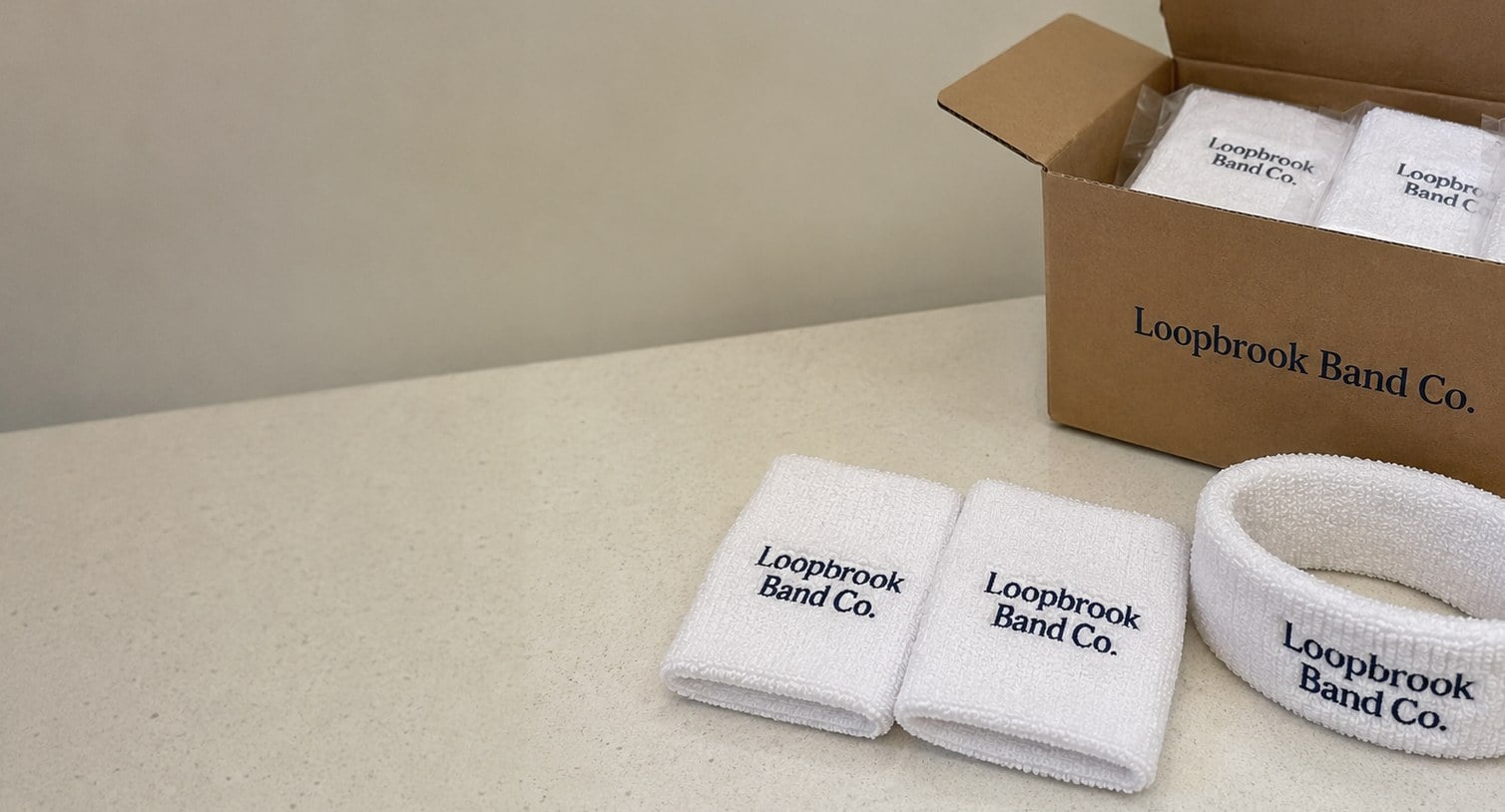
- Wash sweatbands inside out on a gentle cycle, without fabric softener
- Air dry flat; high dryer heat relaxes elastic and shrinks terry
- Store bands clean and fully dry in a breathable container
- Free mockup within 24 hours and about 2 weeks turnaround after approval
Why does care matter for custom sweatbands?
Care matters for custom sweatbands because the way a band is washed, dried and stored decides how long it keeps its stretch, its absorbency and a clean logo. A sweatband is worn against skin, soaked with sweat and washed far more often than a jersey or a hoodie, so small habits add up quickly. Customized Sweatbands decorates terry and wicking sweatbands that are built for repeat wear, and simple care keeps them looking like the approved mockup for longer.
Three things wear out on a sweatband, and each one responds to care:
- Elastic recovery: the knit and any elastic core relax with heat. A band that has been cooked in a hot dryer slides down the arm sooner.
- Absorbency: cotton terry loops flatten and clog when detergent and softener build up, so the band holds less sweat.
- Decoration: embroidery thread, printed ink, transfers and woven patches each have their own weak points, from snagging to edge lift.
For a team, gym or school, care is also a budget question. Sweatbands that last a full season mean fewer replacement runs, fewer mismatched batches and a logo that still looks sharp in the end-of-season photo.
How should custom sweatbands be washed?
Custom sweatbands should be washed after every hard session, inside out where possible, on a gentle cycle in cool or warm water with a mild detergent and no fabric softener. Washing soon after wear stops sweat salts and body oils from setting into the fabric, which is the main cause of stiffness and lingering odor. Customized Sweatbands recommends treating terry and wicking bands as performance wear rather than towels.
A simple routine that works for most bands:
- Rinse or air out the bands right after training instead of leaving them balled up in a bag.
- Turn wristbands and headbands inside out to protect the logo face.
- Wash with similar colors, ideally in a mesh laundry bag so small bands do not tangle or disappear.
- Use a modest amount of mild detergent; too much leaves residue in terry loops.
- Skip fabric softener and dryer sheets, which coat fibers and reduce absorbency.
Fabric changes the details slightly:
| Band type | Wash | Watch out for |
|---|---|---|
| Cotton terry | Gentle cycle, cool or warm water, mild detergent | Softener buildup, which flattens loops and cuts absorbency |
| Performance wicking | Gentle cycle, cool water, sport detergent if available | Hot water and heat, which can break down synthetic stretch |
| Wide and tournament wristbands | Gentle cycle, washed flat in a mesh bag | Twisting in the drum, which can distort the wider shape |
White terry bands can be brightened with an oxygen-based whitener rather than chlorine bleach, which weakens cotton and can yellow some decorations.
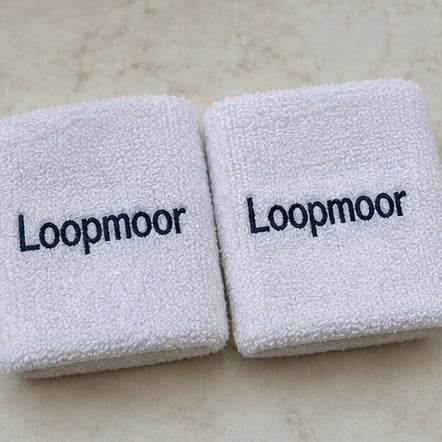
Should custom sweatbands be air dried or machine dried?
Custom sweatbands last longest when they are air dried flat or on a line, away from direct heat. A hot dryer is the fastest way to relax the elastic and shrink cotton terry, which is why a band that fit snugly in the first month can start sliding by midseason. If a dryer is unavoidable, use the lowest heat setting and pull the bands out while they are still slightly damp.
Air drying is easy to build into a routine. Lay the bands flat on a towel or clip them to a drying rack, logo side out, and give them a gentle stretch back to shape while they are wet. Terry dries more slowly than wicking fabric, so a team that trains on back-to-back days may want a second set in rotation rather than rushing a damp band into a hot dryer.
Never dry sweatbands on a radiator, heater or in a car on a hot day. Concentrated heat can scorch thread, soften printed ink and set any remaining sweat stains. For wicking bands in particular, gentle air drying protects the fibers that move moisture away from skin, which is the reason to choose a wicking band in the first place. You can compare both fabrics on the cotton terry vs wicking sweatbands page.
Does embroidery, printing or a woven patch need different care?
Yes. Each decoration method on custom sweatbands has a different weak point, so the care routine shifts slightly depending on how the logo was applied. Embroidery is durable but can snag, printed and sublimated designs dislike heat and harsh chemicals, and transfers or patches need their edges protected. Customized Sweatbands can explain the trade-offs for your logo before you approve the mockup.
| Decoration | Care tip | Avoid |
|---|---|---|
| Embroidery | Wash inside out in a mesh bag; press from the back if needed | Velcro, zippers and hooks in the same load, which pull threads |
| Printed or sublimated | Cool wash, air dry, mild detergent | High dryer heat and bleach, which can dull colors |
| Heat transfer | Inside out, gentle cycle, air dry | Ironing directly on the transfer, which can lift edges |
| Woven patch | Gentle cycle, reshape while damp | Twisting and wringing, which strain the stitching around the patch |
If your sweatbands will be washed in a busy shared laundry, mention that on the quote form. Knowing the bands face frequent, rough washing helps steer the choice of fabric and decoration toward the most forgiving combination. For a deeper look at thread-based logos, see the embroidered custom sweatbands page.
How should teams, gyms and schools launder shared sweatband sets?
Teams, gyms and schools should launder shared sweatband sets in batches, sorted by color and fabric, inside mesh bags, with one person responsible for collecting, washing and returning them. Shared custom sweatbands go missing and wear unevenly when nobody owns the laundry step. A simple system keeps the set together and makes replacement planning far easier.
A routine that works for programs:
- Collection bin: a ventilated bin or mesh bag at the bench or front desk, so damp bands are not sealed in a closed bag overnight.
- Color sorting: wash white terry separately from colored bands, especially in a bright team color that may bleed in early washes.
- Bagged loads: mesh bags keep small bands from wrapping around jerseys or getting lost in a commercial machine.
- Personal sets: where hygiene matters, give each player or member their own pair and have them take responsibility for washing.
Basketball, volleyball and indoor programs that train most days benefit from two sets per player, one in use while the other dries. Coaches planning a full roster can find style and color ideas on the custom sweatbands for basketball teams and leagues page, and gyms can see options on the gyms and fitness studios page.
How should custom sweatbands be stored between seasons?
Custom sweatbands should be stored clean, completely dry and loosely packed in a breathable container away from heat and direct sunlight. Putting bands away damp or unwashed is the most common reason a club opens the box next season to find stiff, stained or musty sweatbands. A little preparation at the end of the season protects both the fabric and the logo.
- Wash every band one final time, even ones that look clean, so no sweat sits in the fibers for months.
- Air dry fully; terry can feel dry on the surface while the inner loops are still damp.
- Pair wristbands and group headbands by size or color so they are easy to hand out later.
- Store them flat or loosely rolled in a cotton bag or ventilated bin, not a sealed plastic tub.
- Keep the box in a cool, dry closet rather than a hot garage, car trunk or damp basement.
Label the container with the design, color and season. When it is time to reorder, that label and the approved mockup make it far easier to match the original batch, especially for programs that reorder midseason or year after year.
When is a custom sweatband worn out and ready to replace?
A custom sweatband is ready to replace when it no longer stays in place, no longer absorbs sweat well, or the logo no longer represents your team or brand cleanly. Good care stretches that point out, but every band that is worn hard and washed often will eventually reach it. Spotting the signs early lets you plan a replacement run instead of scrambling before a big event.
Common signs a band has had its season:
- The band slides down the wrist or forehead even after a cool wash and air dry.
- Terry feels thin, flat or crunchy and sweat runs past it.
- Odor returns quickly after washing.
- Thread is pulled, print has cracked, or a patch or transfer is lifting at the edges.
Many programs plan replacements at the start of each season and keep a small reserve from the same design for new players, members or lost bands. Ordering spares in the same run is the easiest way to keep color and logo consistent. The bulk custom sweatbands page covers how larger programs organize one run for several groups.
How do I order custom sweatbands that are easy to care for?
To order custom sweatbands that are easy to care for, tell Customized Sweatbands how often the bands will be worn and washed, who will launder them and whether they will see a shared or commercial laundry. That context helps match the fabric and decoration method to real use, rather than picking a style on looks alone.
Useful details to include on the custom quote form:
- The sport or activity and how many sessions a week the bands will see.
- Whether players keep their own bands or a coach, gym or school washes a shared set.
- Your preferred fabric, such as terry wristbands, terry headbands or performance wicking bands.
- Your logo and any notes on how bold or detailed it is.
Customized Sweatbands returns a free mockup within 24 hours, offers unlimited free revisions and asks for no payment until you approve the design. Standard turnaround is about 2 weeks after approval, with faster turnaround available through express shipping. The how it works page walks through each step from quote to delivery.
Frequently asked questions
Can custom sweatbands go in the dryer?
Custom sweatbands can go in a dryer on the lowest heat setting, but air drying is better for long life. High heat relaxes the elastic, shrinks cotton terry and can dull printed logos. Customized Sweatbands suggests laying bands flat or hanging them, and if a dryer is the only option, removing them while slightly damp and stretching them gently back into shape.
Should custom sweatbands be washed before the first wear?
Custom sweatbands benefit from one wash before the first wear, especially in strong team colors. A first wash removes any finishing residue, softens new terry and lets you check whether a bright dye releases any color. Wash new bands separately or with similar colors, inside out, on a gentle cycle, and air dry them before handing them out to players or members.
Can bleach be used on white custom sweatbands?
White custom sweatbands should not be washed with chlorine bleach, which weakens cotton fibers and can yellow or fade some decorations over time. An oxygen-based whitener used at the recommended amount is a gentler way to lift sweat stains from white terry. Always rinse thoroughly, and test any new product on one band before treating a whole team set.
Is fabric softener bad for custom sweatbands?
Fabric softener is bad for custom sweatbands because it coats fibers with a film that reduces how well terry and wicking fabrics absorb or move sweat. Over time softener buildup can also trap odor. Customized Sweatbands recommends washing sweatbands with a modest amount of mild detergent and skipping softener and dryer sheets entirely, so the bands keep doing their actual job.
How can a team keep track of whose sweatbands are whose in the laundry?
Custom sweatbands for a team are easiest to track when each player has a dedicated pair and the laundry is done in labeled mesh bags, one bag per player or per position group. Some programs also order bands in different colors for different squads. Customized Sweatbands can show color options on the mockup so coaches can plan a simple sorting system.
Should wicking and terry sweatbands be washed together?
Wicking and terry sweatbands can share a load if both are washed on a gentle cycle in cool water, but separating them is better for long life. Cotton terry sheds lint that can cling to synthetic wicking fabric, and terry tolerates warmer water than wicking blends do. Washing each type with similar fabrics keeps both looking and performing their best.
Can custom sweatbands be washed with team jerseys?
Custom sweatbands can be washed with team jerseys of a similar color, as long as both go in on a gentle cycle and the bands are inside a mesh laundry bag. The bag stops small bands from wrapping around jerseys or catching on numbers and zippers. Keep white terry bands away from dark uniforms in early washes to avoid color transfer.
Is it safe to iron a custom sweatband?
Ironing a custom sweatband is rarely needed and should be done with care. Heat can stretch the elastic, flatten terry loops and lift heat transfers or soften printed ink. If a band needs reshaping, a gentle stretch while damp usually works better. Where pressing is unavoidable, Customized Sweatbands suggests low heat from the back with a cloth between the iron and band.
How do you get odor out of sweatbands left in a gym bag?
Sweatbands left in a gym bag usually lose odor with a cool soak in water and a little sport detergent or white vinegar, followed by a normal gentle wash and full air dry. Avoid masking the smell with softener, which locks it in. Storing used bands in a ventilated bag rather than a sealed one prevents the problem from coming back.
Should a club hand out care instructions with custom sweatbands?
Custom sweatbands last noticeably longer when the people wearing them know how to wash them, so a short care note is worth including at handout. A few lines on inside-out washing, no softener and air drying cover most of it. Clubs can mention on the Customized Sweatbands quote form that they want care guidance in mind when choosing fabric and decoration.
Can a mesh laundry bag help custom sweatbands last longer?
A mesh laundry bag helps custom sweatbands last longer by stopping them from twisting, stretching around other garments or snagging on hooks and zippers in the drum. Bags also keep small wristbands from disappearing in large team or gym loads. Customized Sweatbands recommends one bag per set, which also makes it easy to return each player's bands after washing.
How long should a set of custom sweatbands last?
Custom sweatbands last as long as their wear, washing and storage allow, so there is no single answer. Bands worn daily and dried on high heat wear out much faster than bands rotated, washed cool and air dried. Customized Sweatbands suggests watching for loss of stretch, thin terry and a worn logo, and planning replacements before an important event.
Get a free mockup for your sweatbands
Send your logo or idea and the quantity you have in mind. Customized Sweatbands returns a free mockup within 24 hours, you approve the design before anything is produced, and standard turnaround is about two weeks with faster options available. Get a custom quote.